17 December 2025
Sustainability
How does McBride test the sustainability of its products?

We don’t play guessing games when it comes to sustainability. That’s why McBride carefully measures the environmental impact of all our products – and we let the data guide our decisions.
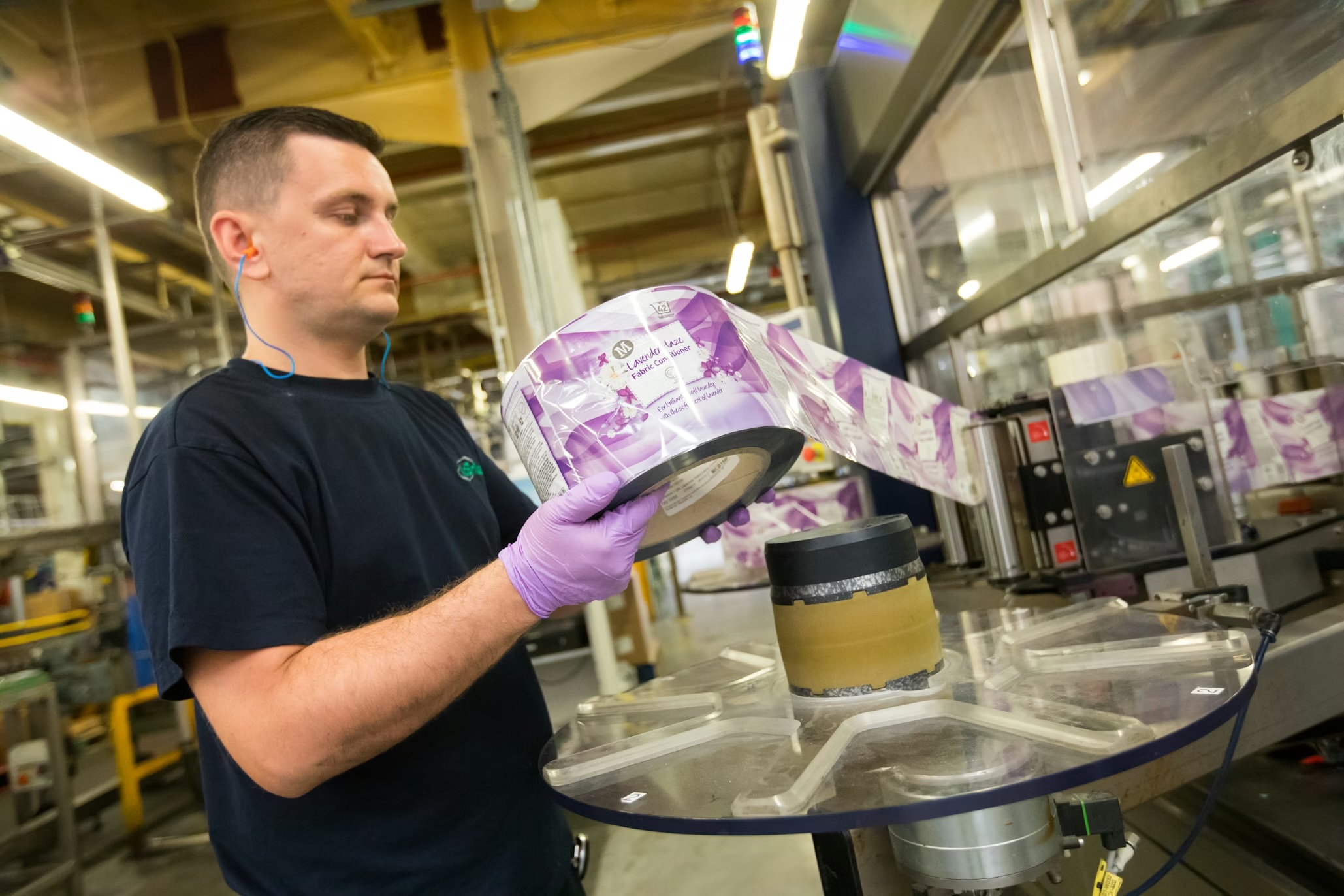
Take a recent study we conducted on our various packaging options for 0.5 litres (or 500 ml) of laundry detergent. We compared three options: traditional plastic bottles, flexible plastic pouches and cardboard cartons (with a thin plastic lining for protection).
Looking at carbon emissions alone, our cardboard cartons performed brilliantly – producing notably less CO₂ than plastic bottles and even edging out the flexible pouches.
But here’s where it gets interesting: when we examined the complete lifecycle of each product – factoring in their individual impact on resource extraction, water consumption, land use, ozone depletion and our overall ecosystem – the flexible pouches actually had the lowest overall environmental footprint, though both alternatives represented a substantial improvement over conventional plastic bottles.
This is why data really matters. Sustainability isn’t one-size-fits-all, and different packaging formats have different environmental strengths. Both our cardboard cartons and our flexible pouches are better for the planet than plastic bottles, and each one excels in different ways.
By analysing this data, we can ensure that when we speak to customers, we can help them make informed decisions too. Creating the best possible product isn’t a one-way street; we work with our customers to find the solution that suits them, us and the planet.